


Electric Motors
What Is an Electric Motor?
An electric motor is an electromechanical device that converts electrical energy into mechanical motion using electromagnetic principles. By generating a magnetic field, electric motors create rotational or linear movement that powers everything from household appliances to heavy-duty industrial equipment.
Electric motors are available in a wide range of power ratings, sizes, and configurations, making them a core component of modern industrial systems.
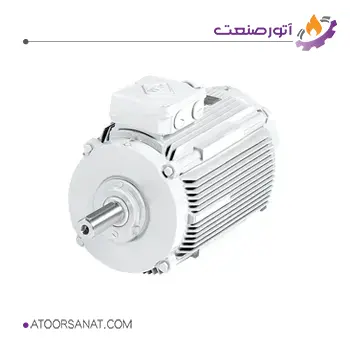
Features:
- Suitable for industrial production machinery
- Applicable in HVAC systems and elevators
- Efficient in water pumps, irrigation systems, and agricultural equipment
- Used in generators and wind turbines
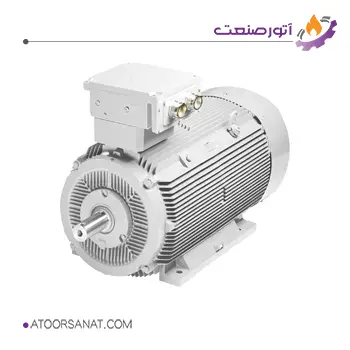
Features:
- Suitable for industrial mixers and pumps in hazardous environments
- Used in production processes involving flammable materials
- Ideal for ventilation and air extraction systems
- Applied in mining machinery and equipment

Features:
- Suitable for fans, pumps, and compressors requiring speed variation and performance control
- Ideal for industrial conveyors with variable speed requirements
- Used in HVAC systems for fan speed regulation
- Applied in printing machinery for speed adjustment and quality control

Features:
- Used to drive ship propellers
- Suitable for marine hoists and onboard cranes
- Applied in marine generators for power generation
- Used in seawater pumps for transfer and treatment systems

Features:
- Designed for evaporative air coolers to generate airflow and cooling
- Used in large industrial fans for workplace ventilation
- Suitable for building ventilation and indoor temperature control
- Applied in ventilation and cooling systems for industrial environments
Why Electric Motors Are Critical in Industry
Electric motors are widely adopted across industries due to:
- High energy efficiency (often exceeding 90%)
- Low maintenance requirements
- Long operational lifespan (typically 15–20 years)
- High torque capability for demanding industrial applications
These advantages make electric motors a reliable and cost-effective solution for continuous operation.
Electric Motor Supply & Technical Selection
The market offers electric motors ranging from fractional horsepower units to high-power industrial motors exceeding 100 kW and reaching several megawatts.
Choosing the right motor depends on:
- Required power (W, kW, or HP)
- Torque and rotational speed (RPM)
- Application type and duty cycle
- Environmental conditions
- Energy efficiency goals
Atoor Sanat is a professional supplier of electric motors and industrial drive equipment, offering a broad selection of standard and specialized motors. As a supplier—not a manufacturer—Atoor Sanat supports customers with technical consultation to ensure the correct motor is selected for each application.
Types of Electric Motors
DC Motors (Direct Current Motors)
DC motors are valued for their precise speed control and straightforward design.
Brushed DC Motors
- Simple and economical
- Suitable for light-duty applications
Brushless DC Motors (BLDC)
- No brushes or commutator
- Higher efficiency and extended service life
- Common in robotics, medical devices, and precision motion systems
- Typical operating speeds: 10,000–20,000 RPM
AC Motors (Alternating Current Motors)
AC motors dominate industrial environments due to their durability and performance.
Synchronous Motors
- Constant speed regardless of load
- Used in large pumps, compressors, and generators
Induction Motors (Asynchronous Motors)
- Rugged and cost-effective design
- Power range from a few kW to multiple MW
- Efficiency commonly above 90%
Stepper Motors
Stepper motors are designed for accurate position control using incremental movement.
- Used in CNC machines, automation systems, 3D printers, and robotics
- High repeatability with minimal positioning error
- Angular resolution can reach 0.01 degrees
Special-Purpose Motors
Special motors are engineered for unique operational requirements:
- Servo Motors – High-precision speed and position control (accuracy up to 0.1 mm)
- Linear Motors – Direct linear motion with forces exceeding 500 N
- Turbine Motors – High power output in compact, lightweight designs
Single-Phase vs. Three-Phase Electric Motors
Single-Phase Motors
- Operate on single-phase AC power
- Power range: 50–3000 W
- Typical voltages: 110V or 220V
- Used in household and light commercial applications
Three-Phase Motors
- Operate on three-phase AC power
- Power range: 1 kW to several megawatts
- Higher efficiency and smoother torque delivery
- Common in industrial machinery, HVAC systems, and production lines
Industrial Electric Motor Categories
Standard Electric Motors
- General-purpose applications
- Available in single-phase and three-phase versions
- Power range from 100 W to multiple MW
Explosion-Proof Motors
- Designed for hazardous environments
- Compliant with international safety standards
- Power range: 0.5–500 kW
- Used in oil, gas, petrochemical, and chemical industries
HVAC & Cooler Motors
- Low noise and energy-efficient
- Designed for continuous operation
- Common in ventilation and evaporative cooling systems
Dahlander (Two-Speed) Motors
- Dual-speed operation
- Speed range: 750–3000 RPM
- Used in manufacturing, packaging, and HVAC applications
Marine Electric Motors
- Corrosion- and moisture-resistant
- Designed for harsh marine environments
- Used in ships, offshore platforms, and marine equipment
Industrial Electric Motor Categories
Electric motors are essential in:
- Manufacturing and automated production lines
- Oil and gas facilities
- HVAC and industrial ventilation systems
- Robotics and medical equipment
- Electric and hybrid vehicles
- Marine and aerospace industries
High-efficiency electric motors contribute to lower energy costs, improved safety, and increased system reliability.
Main Components of an Electric Motor
- Stator – Generates the magnetic field
- Rotor – Converts magnetic energy into mechanical rotation
- Windings – Conduct electrical current
- Brushes & Commutator (DC motors) – Transfer electrical power
- Bearings – Reduce friction and support rotation
- Frame (Housing) – Protects components and dissipates heat
How to Choose the Right Electric Motor
Key selection criteria include:
- Power rating (kW or HP)
- Speed and torque requirements
- Load type (constant or variable)
- Environmental conditions
- Need for speed control (VFD compatibility)
- Single-phase vs. three-phase power supply
- Efficiency class and maintenance considerations
A properly selected motor improves system performance while reducing energy consumption and maintenance costs.
Electric Motor Supplier – Atoor Sanat
Atoor Sanat is a reliable supplier of industrial electric motors and drive solutions, providing AC motors, DC motors, explosion-proof motors, marine motors, and special-purpose motors. Through industry expertise and technical support, Atoor Sanat helps customers select efficient, compliant, and durable electric motor solutions for industrial applications